Post-operative care is one of the most critical phases of a successful hair transplant, yet it is often handled inconsistently across clinics and even within the same medical team. Standardizing post-op care helps ensure every patient receives the same high level of guidance, safety, and follow-up, while reducing errors and operational strain.
When post-operative instructions vary depending on who communicates them, patients receive mixed messages. This leads to confusion, anxiety, and an increase in follow-up questions or mistakes during recovery.
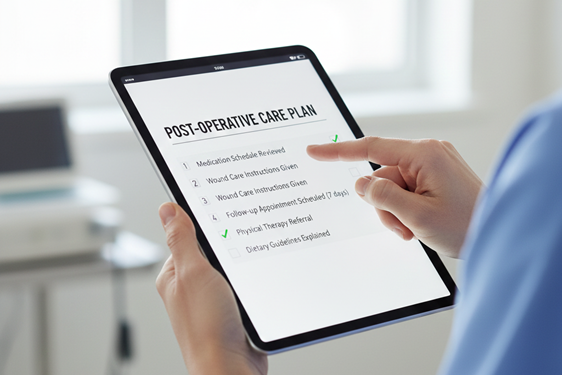
Standardization does not mean robotic or impersonal care. It means defining a clear, validated recovery protocol that is delivered consistently to every patient, while still allowing clinicians to intervene when needed.
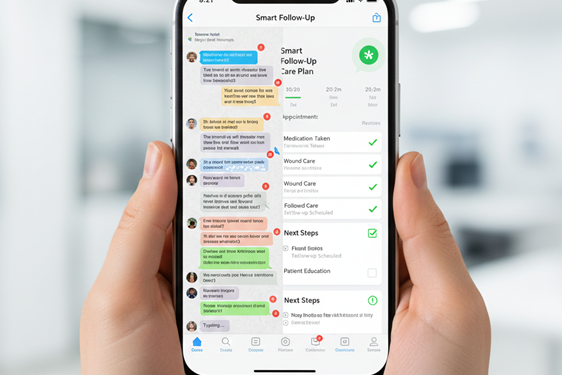
A standardized approach ensures that essential instructions, warnings, and checkpoints are never forgotten or delivered too late.
Standardizing post-operative care significantly reduces the cognitive load on staff. Instead of repeating explanations or resolving avoidable issues, teams can focus on clinical quality and patient relationships.
It also improves internal alignment, ensuring nurses, coordinators, and surgeons all communicate the same message.
Patients feel safer and more confident when guidance is clear and consistent. Standardized care reduces uncertainty, prevents mistakes, and reinforces the professionalism of the clinic throughout the recovery process.
In conclusion, standardizing post-operative care is not just an operational improvement, it is a clinical advantage. By delivering consistent, structured, and proactive follow-up, hair transplant clinics can improve outcomes, reduce staff workload, and elevate the overall patient experience.