Nurses play a critical role in post-operative care for hair transplant and plastic surgery patients. However, a large portion of their time is often spent answering repetitive questions, manually checking on patients, and tracking recovery progress. Automated post-op monitoring helps reduce this workload while maintaining a high standard of patient care.
Post-operative nursing workload is rarely driven by emergencies. Instead, it is dominated by routine follow-up tasks that scale poorly as patient volume increases.
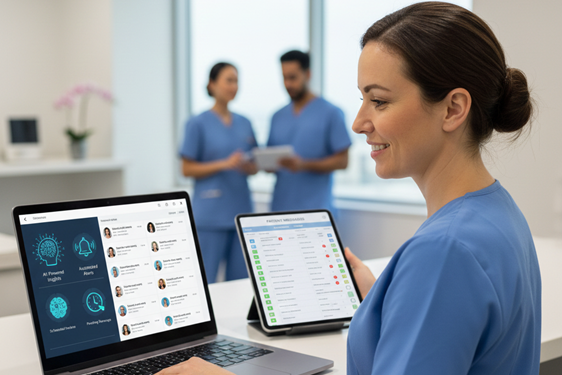
Automated monitoring does not replace nurses. It supports them by handling repetitive, predictable tasks that do not require clinical judgment.
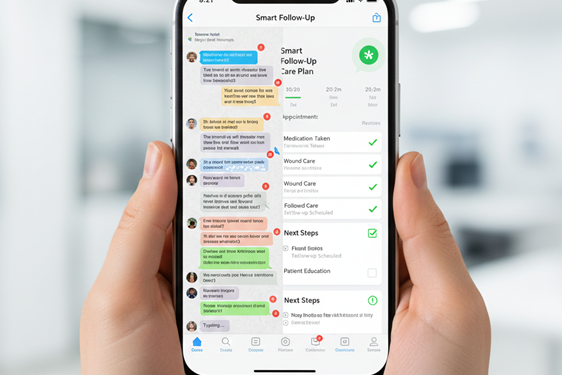
This includes scheduled check-ins, guided photo submissions, and automated education based on recovery milestones.
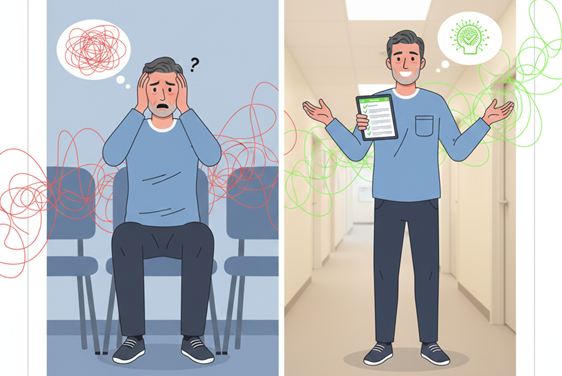
Without automation, nurses are forced into a reactive mode, responding only when patients reach out. Automated monitoring shifts care to a proactive model, where potential issues are flagged early and addressed before they escalate.
Automated post-op monitoring improves consistency, reduces nurse burnout, and enhances patient confidence. Nurses regain control over their time, and patients feel supported throughout their recovery without needing to constantly reach out.
In conclusion, reducing nurse workload through automated post-operative monitoring is not about cutting corners. It is about designing smarter care processes that scale with clinic growth, protect staff well-being, and deliver a reliable, high-quality recovery experience for every patient.