As hair transplant and plastic surgery clinics grow, patient follow-up becomes increasingly difficult to manage. What works for 5 or 10 patients per week quickly breaks down at scale. Building a structured and scalable follow-up process is essential to maintain care quality without overwhelming your medical and administrative teams.
In many clinics, follow-up relies heavily on manual actions: phone calls, ad-hoc messages, spreadsheets, or individual staff memory. As patient volume increases, this approach becomes unsustainable.
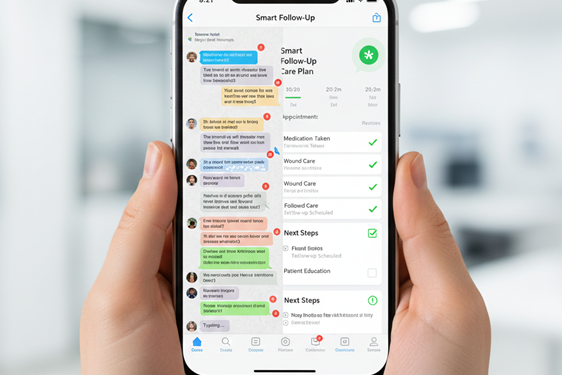
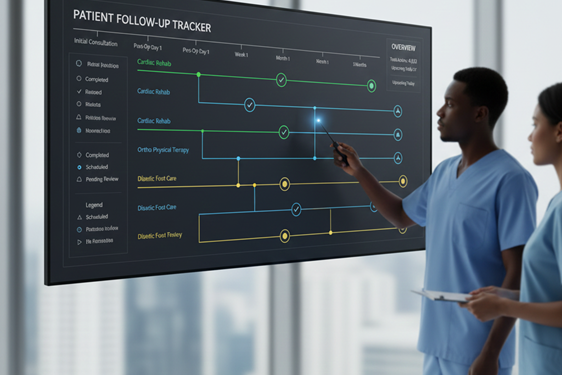
A scalable follow-up process is proactive, structured, and predictable. Instead of reacting to patient messages, the clinic anticipates patient needs and delivers information at the right time.
This approach ensures that every patient receives the same high-quality care, regardless of clinic size.
Scalability does not mean less care, it means smarter care. By automating routine follow-ups and standard questions, staff can focus on patients who truly need personalized attention.
This improves efficiency while maintaining a high standard of clinical oversight.
Patients feel reassured when they receive timely guidance without having to ask. A structured follow-up process reduces anxiety, builds trust, and reinforces the clinic's professionalism throughout recovery.
In conclusion, building a scalable patient follow-up process is essential for growing clinics. By standardizing timelines, automating routine communication, and focusing staff effort where it matters most, clinics can scale sustainably while delivering exceptional post-operative care.