Post-operative patient messages are one of the biggest hidden workloads for hair transplant and plastic surgery clinics. While patient reassurance is essential, unstructured follow-up often leads to repetitive questions, unnecessary anxiety, and overwhelmed medical teams. The good news is that it is possible to significantly reduce post-op messages without lowering the quality of care.
Most post-operative messages are not caused by complications, but by uncertainty. Patients often experience normal symptoms such as redness, scabbing, swelling, or shedding and are unsure whether what they are seeing is expected. Without clear guidance, they seek reassurance through messages.
When clinics rely solely on reactive communication, staff members spend a significant amount of time answering the same questions repeatedly. This approach increases workload, delays responses, and can actually reduce patient confidence when replies are not immediate.
Over time, this creates frustration on both sides: patients feel unsure, and staff feel overloaded.
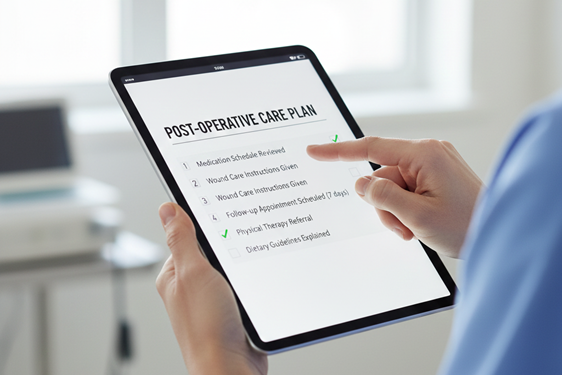
The most effective way to reduce incoming messages is to answer questions before patients ask them. Proactive follow-up anticipates common concerns and delivers the right information at the right moment.
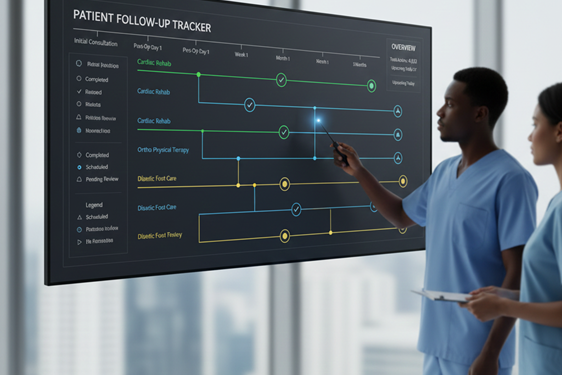
One of the most powerful reassurance tools is visual progress tracking. When patients can see their own healing evolve over time, uncertainty drops dramatically. Visual monitoring also allows clinics to quickly spot real issues without lengthy back-and-forth conversations.
Reducing post-op messages does not mean reducing care. On the contrary, structured follow-up, clear education, and proactive communication improve patient confidence while freeing up clinic staff to focus on what truly matters. Clinics that invest in better follow-up systems deliver higher-quality care with less daily stress.
In conclusion, most post-operative messages are preventable. By setting clear expectations, educating patients proactively, and using structured follow-up tools, clinics can dramatically reduce message volume without compromising patient safety or satisfaction. The result is a calmer patient journey and a more efficient, professional clinic operation.