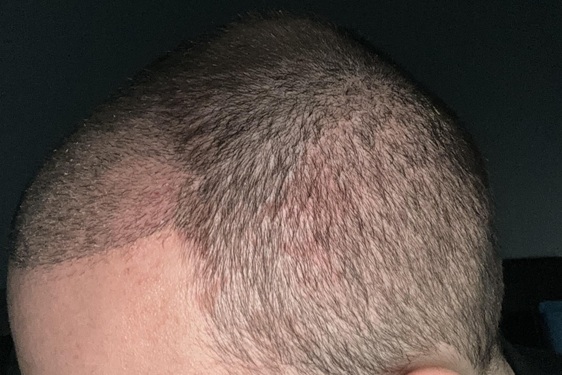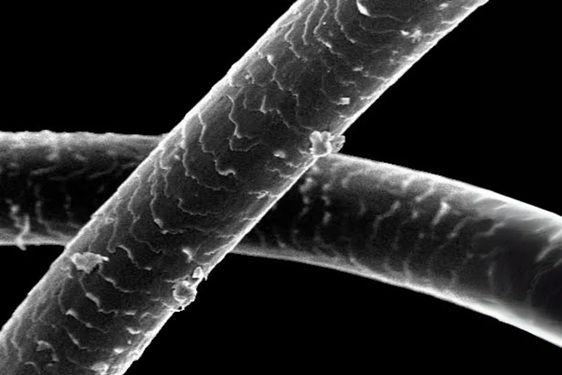
One of the key elements of a successful hair transplant is the quality and type of hair grafts used. Understanding the structure of these grafts and how they can vary from patient to patient will help you better manage your expectations and ensure you get the most out of your hair restoration procedure.
A hair graft is a group of hair follicles that are extracted from the donor area of the scalp and then transplanted into the thinning or balding areas. Grafts contain several hair follicles, which can range from one to four hairs follicles per graft. The number of hairs within a graft can impact the overall density and appearance of the hair transplant.
The quality of hair grafts can differ from one patient to another, depending on various factors. Here's why graft quality may vary:
The density of transplanted hair can be influenced by the type of grafts used. Generally, using multiple hair follicle grafts (such as 3- or 4-hair grafts) can help achieve a fuller appearance. However, it's important to note that the density may not be as thick as your natural hair, as grafts are carefully spaced to allow for proper growth.
While the quality of the grafts is largely dependent on individual factors, there are ways to improve the overall success of your hair transplant. Maintaining a healthy scalp, following post-transplant care instructions, and managing factors like diet and stress can enhance graft survival and hair growth.
In conclusion, hair grafts are the building blocks of your hair transplant, and they can vary in quality and content depending on multiple factors. Understanding these variations can help set realistic expectations for your results. Keep in mind that even with a mix of single, double, triple, and quadruple hair grafts, your transplant can still yield great results, as long as the procedure is performed correctly and post-transplant care is followed.