logo
When and How to Resume Sports After a Hair Transplant

When and How to Resume Sports After a Hair Transplant

  • Author:Clara B.
  • Published On:30 November 2025
  • Category:Patient Guide

Exercising after a hair transplant is a common concern for many patients. While staying active is important for overall health, it's crucial to approach sports and physical activities with care during the recovery period. This guide outlines when and how to resume sports, what to avoid, and why these precautions are necessary.

Why Avoid Sweating After a Hair Transplant?

Sweat can irritate the scalp and interfere with the healing process of transplanted grafts. Excessive moisture increases the risk of infection and may cause discomfort or disrupt the grafts before they secure properly. It is recommended to avoid intense physical activity that induces sweating for at least 7-10 days after surgery.

Sports to Avoid During Recovery

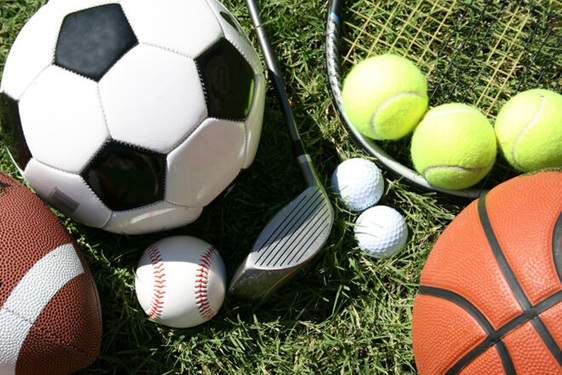
  • Impact Sports: Activities like boxing, grappling, judo, rugby, and soccer can lead to direct trauma to the head, which may damage grafts or cause complications.
  • Cardio Exercises: Running, cycling, or other intense cardiovascular exercises that induce significant sweating should be avoided in the initial recovery phase.
  • Water Sports: Swimming in pools, oceans, or any water body should be avoided for at least one month to prevent infection from waterborne bacteria.

When Can You Start Exercising Again?

Most clinics recommend resuming light exercises such as walking after 7-10 days. However, high-intensity workouts, contact sports, or any activity involving impact should be avoided for at least a month or until cleared by your doctor. Always follow your surgeon's recommendations for a safe return to physical activity.

Tips for Returning to Sports Safely

  1. Start Slowly: Begin with low-intensity exercises like walking or light stretching to reintroduce movement without causing strain.
  2. Protect Your Scalp: Avoid direct sun exposure and wear a loose-fitting cap to shield your scalp when exercising outdoors.
  3. Monitor Your Scalp: Check for signs of irritation, redness, or discomfort after physical activity and consult your doctor if any issues arise.
  4. Hydrate Well: Drink plenty of water to keep your body and scalp hydrated, aiding in recovery.
  5. Avoid Direct Trauma: Even after the initial healing phase, take precautions to prevent accidental impact to the scalp during sports.

Returning to sports after a hair transplant requires patience and care. By following these guidelines and your surgeon's advice, you can protect your grafts and ensure a successful recovery while staying active. Always prioritize the health of your scalp over the urgency to resume intense activities.


  • Share On:

  • Tags:

  • #hair transplant recovery#sports after hair transplant#post-op care#hair transplant patient guide#exercise after hair transplant#follicare
When and How to Resume Sports After a Hair Transplant