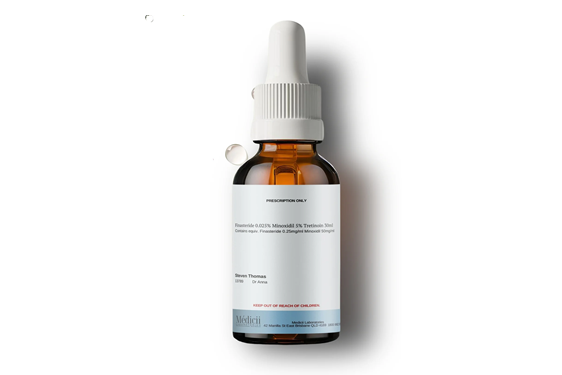
After a hair transplant, medications like finasteride and minoxidil play a crucial role in maintaining your natural hair and preventing further hair loss. Understanding how these treatments work, their benefits, and potential side effects can help you decide whether to include them in your recovery plan.
What Are Finasteride and Minoxidil?
- Finasteride: An oral medication that blocks the conversion of testosterone into dihydrotestosterone (DHT), the hormone responsible for shrinking hair follicles and causing hair loss.
- Minoxidil: A topical solution or foam that stimulates hair follicles, prolonging the growth phase of the hair cycle and increasing blood flow to the scalp.
Why Should They Be Used?
- To Preserve Existing Hair: Hair transplants only replace lost hair. Finasteride and minoxidil help maintain your existing natural hair by slowing or stopping hair loss.
- To Enhance Transplant Results: These medications can improve the overall density of your hair by supporting both transplanted and natural follicles.
- To Prevent Future Hair Loss: Continuing treatment can delay or prevent the need for additional hair transplant procedures in the future.
Potential Side Effects of Finasteride
- Sexual Side Effects: Some users report decreased libido, erectile dysfunction, or reduced semen volume.
- Hormonal Changes: Rarely, finasteride can cause breast tenderness or enlargement in men (gynecomastia).
- Mood Changes: A small number of individuals experience depression or anxiety.
- Other Symptoms: In rare cases, rashes, dizziness, or swelling of the lips or face may occur.
Potential Side Effects of Minoxidil
- Scalp Irritation: Redness, dryness, or flaking may occur at the application site.
- Increased Hair Shedding: Temporary shedding is common during the first few weeks as weaker hairs are replaced with stronger ones.
- Unwanted Hair Growth: Minoxidil can cause hair growth on areas other than the scalp if it comes into contact with those regions.
- Rare Systemic Effects: In very rare cases, minoxidil may cause dizziness, heart palpitations, or swelling of the hands and feet.
Important Considerations
While finasteride and minoxidil are effective, they must be used consistently for long-term results. Stopping treatment may lead to resumed hair loss. Always consult your doctor to determine the best plan for your specific needs and monitor any side effects.
Finasteride and minoxidil are powerful tools in maintaining hair after a transplant. Understanding their benefits and side effects can help you make informed decisions for optimal results. Always follow your clinic's recommendations and consult a healthcare provider for personalized advice.