After undergoing a hair transplant, it's natural to consider wearing a hat to cover the post-surgery appearance or protect your scalp. While this is understandable, wearing a hat too soon can interfere with the healing process and the success of the grafts. Knowing when and how to safely wear a hat is crucial for optimal recovery
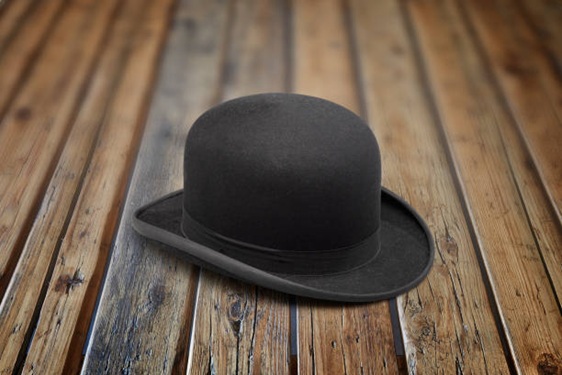
Most clinics recommend waiting at least7 to 10 days before wearing a hat. By this time, the grafts are usually secure, and the risk of dislodging them is significantly lower. However, it's essential to confirm this timeline with your surgeon, as healing can vary from person to person.
While hats can be a convenient accessory, taking proper precautions is crucial during the healing process. Always follow your clinic's advice and prioritize your scalp's recovery to ensure the success of your hair transplant.
It's a common misconception that wearing hats can lead to hair loss. In reality, wearing a hat does not cause hair to fall out or damage hair follicles. Hair loss is typically caused by factors such as genetics, hormonal changes, or medical conditions, not by the physical act of wearing headgear. However, tight-fitting hats or those made from non-breathable materials can cause scalp irritation or trapping moisture, which may lead to scalp conditions that could affect hair health. As long as you choose the right kind of hat and wear it in moderation, it won't cause hair loss.