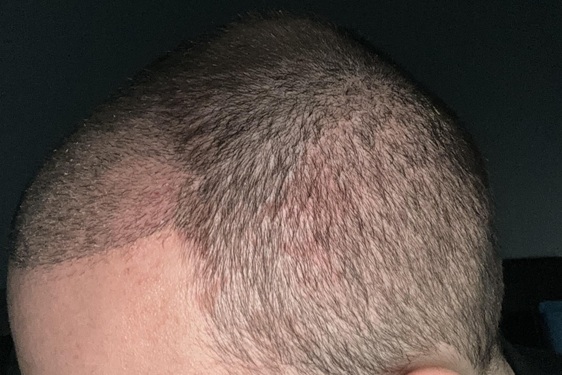
After a hair transplant, maintaining a clean and healthy scalp is crucial for ensuring the best results. Proper hygiene during the healing phase can prevent complications, support graft survival, and promote optimal hair growth. This guide outlines the essential scalp care routine you should follow after your hair transplant.
Keeping your scalp clean is essential for healing. Washing your scalp correctly will help prevent infections, promote the healing of grafts, and maintain the overall health of your scalp. Here's how you should go about washing:
In addition to shampoo, there are various oils and lotions you can use to keep your scalp moisturized and support healing. These products can help alleviate dryness, reduce irritation, and enhance the overall recovery process. Always check with your clinic before using those products.
| Product | Benefits |
|---|---|
| Aloe Vera Gel | Soothes the scalp, reduces redness, and accelerates the healing of minor irritations. |
| Tea Tree Oil | Has natural antiseptic properties that help prevent infections and soothe the scalp. |
| Coconut Oil | Moisturizes and nourishes the scalp, while promoting hair health and reducing inflammation. |
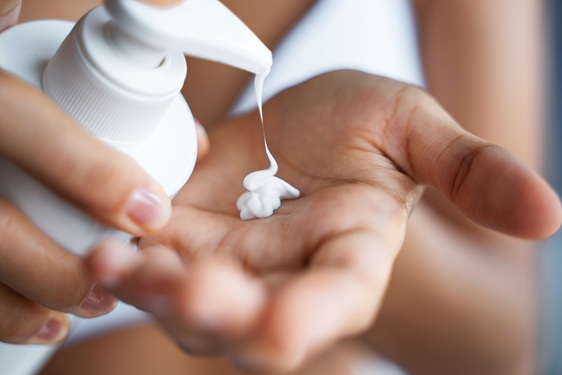
Keeping your scalp moisturized is essential to prevent dryness and promote optimal graft growth. After washing, apply a moisturizer or a soothing oil (like those listed above) to maintain a healthy scalp environment.
If you experience any itching or irritation, it's essential to remain gentle when applying products to the scalp. Avoid scratching, as this can damage the grafts and increase the risk of infection.
After the first 2 weeks, you may be able to resume a more regular scalp care routine. However, always consult your surgeon or clinic before introducing new products or practices. Most patients can use regular shampoo and conditioner after the first month, but some may need to wait longer.
Post-transplant scalp care is essential to achieving the best results. By following the recommended routine for washing, moisturizing, and soothing your scalp, you can support your grafts and ensure optimal growth. Always follow your clinic's advice and consult them if you experience any complications.